

How to Improve Indoor Air Quality at Home: The Ultimate Room-by-Room Checklist (2025)
Poor indoor air quality is linked to allergies, asthma, headaches, poor sleep, and long-term health problems—yet it’s one of the easiest things to fix once you know where to look. Indoor air is often 2–5× more polluted than outdoor air.
This complete, step-by-step indoor air quality checklist gives you a proven room-by-room action plan you can start today—no expensive remodel required. Follow it and you’ll lower dust, VOCs, mold risk, cooking fumes, and allergens fast.
What Affects Indoor Air Quality?
Five main culprits make indoor air unhealthy:
– Particulate matter (PM2.5 & PM10) – cooking smoke, dust, wildfire smoke
– Volatile organic compounds (VOCs) – new furniture, paint, cleaners
– Biological pollutants – mold, dust mites, pet dander, pollen
– Gases – carbon monoxide, radon
– Wrong humidity (too high → mold; too low → dry airways & static)
How to Measure Indoor Air Quality (Don’t Guess—Test)
– Get a good indoor air quality monitor that tracks PM2.5, CO₂, humidity, and ideally VOCs (2025 recommendations at the end)
– Run it for 1–2 weeks in different rooms and during cooking/showering
– Do the “sniff + look” test: musty smells, window condensation, or visible mold = red flags
Indoor Air Quality Action Plan: Room-by-Room Checklist
Quick-Start Wins (Do These First)
✓ Buy or borrow an IAQ monitor and log data for 7–14 days
✓ Walk through every room looking/smelling for mold, leaks, or condensation
✓ Note your worst times (cooking, showering, wildfire days, etc.)
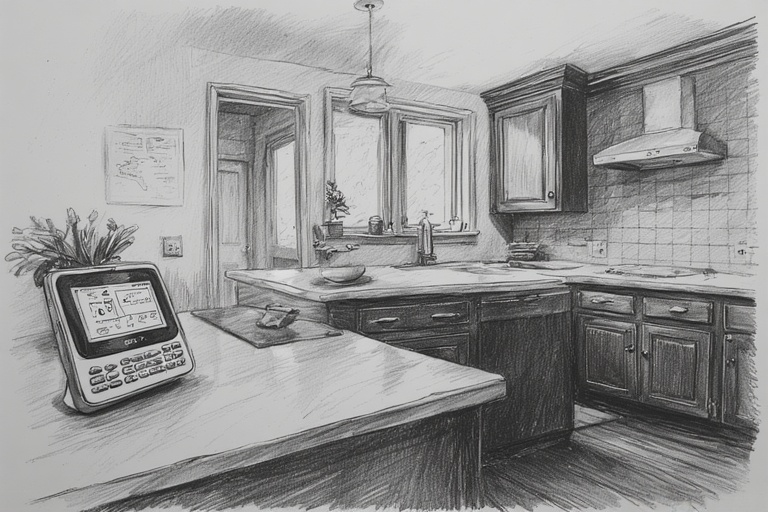
Kitchen – Biggest Source of PM2.5 & VOCs
✓ Always use a vented range hood on high while cooking (exhaust to outdoors, not recirculating)
✓ Clean or replace grease filters every 1–3 months
✓ Switch to low-VOC or natural cleaners; avoid aerosol sprays
✓ Run your IAQ monitor while cooking—if PM2.5 spikes, add a portable HEPA purifier
Bathrooms – Mold Central
✓ Run exhaust fan during shower + 20 minutes after
✓ Keep humidity under 50% year-round (dehumidifier if needed)
✓ Fix leaks immediately; re-caulk every 1–2 years
✓ Wipe down walls or use a squeegee to prevent water buildup
Bedrooms – Where You Spend ⅓ of Your Life
✓ Run a true HEPA air purifier sized for the room (especially if you have allergies or asthma)
✓ Wash bedding weekly in hot water (60°C+) to kill dust mites
✓ Keep pets out of the bed when possible
✓ Close windows on high-pollen or poor AQI days
Living Areas & Whole-House HVAC
✓ Change HVAC filters every 1–3 months (use MERV 11–13 if your system allows)
✓ Vacuum with a sealed HEPA vacuum; dust with a damp microfiber cloth
✓ Seal obvious air leaks around windows, doors, and attic hatches
Basement & Crawl Space
✓ Keep relative humidity below 50% with a dehumidifier
✓ Fix any signs of water intrusion immediately
✓ Small mold patches (<2 sq ft) can often be DIY’d; larger areas = call a pro
Attic & Building Envelope
✓ Ensure proper attic ventilation and no missing insulation
✓ Seal all penetrations (pipes, wires, recessed lights)
✓ Fix roof leaks the moment you spot them
Quick Wins That Drop Pollutants Fast
– Upgrade HVAC filters → instant 30–50% drop in dust & allergens
– Add 1–2 properly sized HEPA purifiers in bedrooms/living room
– Aim for 40–50% relative humidity year-round
– Choose zero- or low-VOC paints, finishes, and cleaners
Seasonal Tips
– Winter: Crack windows on clean-air days or install an HRV/ERV
– Summer: Run AC or dehumidifier to control moisture
– Wildfire season: Seal house tight, run purifiers on high, monitor PM2.5
When to Call a Professional
– Mold larger than 1–2 sq ft or keeps coming back
– Radon test above 4 pCi/L (or your country’s limit)
– CO alarm ever goes off → evacuate & call 911
– Persistent mystery odors or high humidity you can’t solve
Best Tools & Products (2025)
– Accurate indoor air quality monitors: AirThings View Plus, Temtop M10i, or Qingping Air Monitor Lite
– True HEPA purifiers: Levoit Core 400S, Winix 5500-2, or Blueair Blue Pure 311i Max
– MERV-13 filters (check your HVAC manual first)
– 50–70 pint dehumidifiers with built-in pumps for basements
How to Use This Checklist
1. Monitor for 1–2 weeks to find your worst rooms/times
2. Knock out the Quick-Start items
3. Attack the rooms with the highest spikes first
4. Re-test after each change—watch the numbers drop!
The Bottom Line
Improving indoor air quality is one of the highest-ROI things you can do for your family’s health and your home’s longevity. Most people see noticeable differences in allergies, sleep, and energy within weeks.
Start today: grab an IAQ monitor, run through the quick-start list, and work room by room. Your lungs (and everyone who lives with you) will thank you.
This is so helpful!