

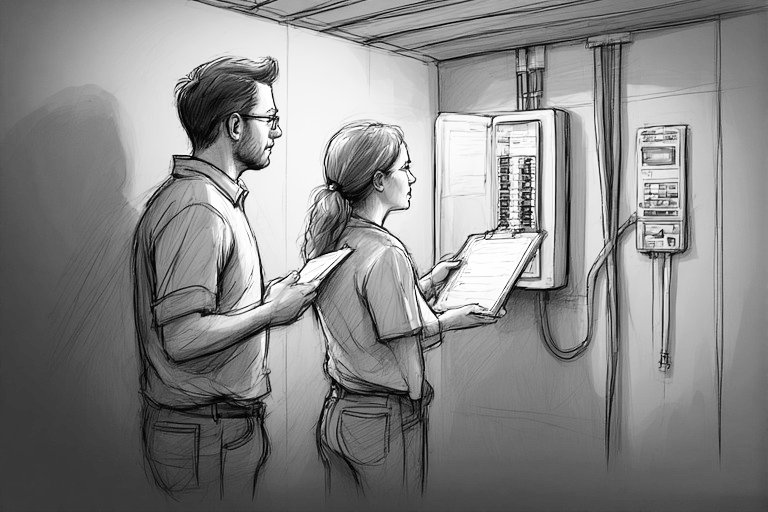
Moving into a new home is exciting—but those first 30 days are critical for protecting your investment. Here’s exactly what to document before it’s too late.
You just got the keys. Boxes are everywhere. The last thing on your mind is paperwork. But here’s the truth: the documentation you create (or don’t create) in your first month as a homeowner can save you thousands of dollars—or cost you just as much.
Whether it’s a warranty claim, an insurance dispute, or selling your home years down the road, having a clear record of your home’s condition from day one is invaluable. This guide walks you through exactly what to document in your first 30 days—organized week by week so you can tackle it without feeling overwhelmed.
Week 1: Capture the Baseline
Your first priority is establishing a clear record of your home’s condition at the moment you took ownership. This baseline becomes your reference point for everything that follows.
Photo and Video Documentation
Walk through every room and capture:
- Walls, ceilings, and floors (especially any existing damage, cracks, or stains)
- Windows and doors (note any that stick, don’t lock properly, or have damaged seals)
- Appliances (including model numbers and serial numbers visible on labels)
- HVAC equipment, water heater, and electrical panel
- Exterior: roof (from ground level), siding, foundation, driveway, and landscaping
- Garage, basement, attic, and any outbuildings
Pro tip: Use your phone’s timestamp feature or take a photo of that day’s newspaper in each room. This creates indisputable proof of when the photos were taken—critical for insurance claims.
Utility Meter Readings
Document your starting readings for electricity, gas, and water meters. Take photos of each meter showing the reading clearly. This protects you from being charged for the previous owner’s usage and gives you a baseline to monitor for unusual spikes that could indicate leaks or problems.
Locate and Document Critical Shutoffs
Find and photograph the location of:
- Main water shutoff valve
- Gas shutoff (if applicable)
- Electrical main breaker
- Sprinkler system controls
Label these in your photos and make sure everyone in your household knows where they are. In an emergency, you won’t have time to search.
Week 2: Organize Your Paperwork
Now that you’ve captured your home’s physical condition, it’s time to organize the documents that came with your purchase.
Essential Documents to Gather
- Closing documents: Your settlement statement, deed, title insurance policy, and mortgage documents
- Home inspection report: This is your roadmap for future maintenance priorities
- Seller disclosures: Any issues the previous owner was required to disclose
- Warranty documents: Home warranty (if purchased), plus any appliance or system warranties transferred from the seller
- HOA documents: CC&Rs, bylaws, and contact information (if applicable)
- Survey and plat: Shows your exact property boundaries
Create a Warranty Tracker
For each appliance and major system, record the manufacturer, model number, serial number, purchase/installation date, and warranty expiration. This information is often buried in manuals or on labels in hard-to-reach places. Capture it now while everything is accessible.
Week 3: Test Everything
Your home inspection gave you a snapshot, but now you’re living in the house. This is when problems reveal themselves.
Systems to Test and Document
- HVAC: Run both heating and cooling (yes, even if it’s not the season). Note the age and last service date if available.
- Plumbing: Run water in every sink, tub, and shower. Check under sinks for leaks. Flush all toilets. Document water pressure and any slow drains.
- Electrical: Test every outlet, switch, and light fixture. Check that GFCI outlets trip and reset properly.
- Appliances: Run the dishwasher, washing machine, and dryer through complete cycles. Test all oven burners and the refrigerator temperature.
- Safety devices: Test smoke detectors, carbon monoxide detectors, and security systems. Note battery replacement dates.
Document any issues you find, even minor ones. Some problems that seem small—like a toilet that runs occasionally or a door that sticks—can indicate bigger issues. And if something fails within your warranty period, you’ll want proof you reported it promptly.
Week 4: Build Your Maintenance Foundation
With your baseline established, it’s time to set yourself up for ongoing success.
Schedule Your First Maintenance Tasks
- Change the locks: You don’t know who has copies of the old keys. Document the new locks with photos and keep spare keys in a secure location.
- Replace HVAC filters: Start fresh and note the filter size for future purchases.
- Schedule a professional HVAC tune-up: If the system hasn’t been serviced recently, get it done before you need it most.
- Set up a pest control plan: Prevention is far cheaper than treatment.
Establish Your Record-Keeping System
Every home improvement, repair, and maintenance task should be recorded. This includes the date, what was done, who did it (contractor name and contact info for professional work), the cost, and any relevant receipts or warranties.
This isn’t just about organization—it’s about building value. Homes with documented maintenance histories sell faster and often for more money. Buyers trust what they can verify.
Why This Matters More Than You Think
The documentation you create in your first 30 days serves multiple purposes:
- Insurance claims: If you ever need to file a claim, having pre-loss documentation of your home’s condition can mean the difference between a smooth payout and a disputed denial.
- Warranty claims: Many warranties require proof that issues existed from the start or that you maintained the item properly. Your documentation provides that proof.
- Tax purposes: Home improvements can affect your cost basis when you sell. Keeping records from day one makes tax time easier.
- Resale value: A complete maintenance history is like a Carfax for your home. Future buyers will pay more for transparency and proof of care.
Make Documentation Effortless
If all of this sounds like a lot to manage with spreadsheets and folders, you’re right. That’s exactly why we built Bodie.
Bodie is your home’s memory. Upload receipts, snap photos, track warranties, and build a complete maintenance history—all in one place. When it’s time to file a claim, hire a contractor, or sell your home, everything you need is organized and accessible.
Start your free trial at bodie.io and make your first 30 days count.
Your 30-Day Documentation Checklist
Week 1: Capture the Baseline
- Photo/video every room, system, and exterior area
- Record utility meter readings
- Locate and photograph all shutoffs
Week 2: Organize Paperwork
- Gather and file all closing documents
- Create warranty tracker with all appliance/system info
- File inspection reports and seller disclosures
Week 3: Test Everything
- Test HVAC, plumbing, electrical, and all appliances
- Check all safety devices
- Document any issues found
Week 4: Build Your Foundation
- Change locks and replace HVAC filters
- Schedule professional maintenance
- Establish your ongoing record-keeping system
The first 30 days set the tone for your entire homeownership journey. Take the time to document properly now, and you’ll thank yourself for years to come.